Message from our Interim CEO, Carolyn Donohoe
 
 
Carolyn Donohoe, NMBI Interim CEO

The first half of the year has been a busy period for NMBI, across all areas of our organisation.


The first half of the year has been a busy period for NMBI, across all areas of our organisation.

Last month, we announced we were holding the ‘Education Excellence in Nursing and Midwifery’ conference with the Chief Nurse's Office in the Department of Health. We received an overwhelming response and tickets to the event on 5 July were sold out extremely quickly. Unfortunately, not everyone could get tickets but we would like to thank you for your interest and we hope you will be able to attend our events in the future.

We have also been working hard to encourage secondary school students to choose nursing and midwifery as a career. We are currently running an Instagram campaign until the end of June which features nursing and midwifery students and recent graduates who share their stories and experiences. Their stories and enthusiasm for the professions is incredible and we hope that this campaign will inspire young people to choose a career that really makes a difference. It has been an interesting journey engaging in the world of social media messaging to better reach our younger digitally native audience.

We would encourage you to watch the videos and follow us on Instagram @nmbi_ie through the hashtags: #CareerinNursing #CareerinMidwifery #ACareerThatMakesADifference

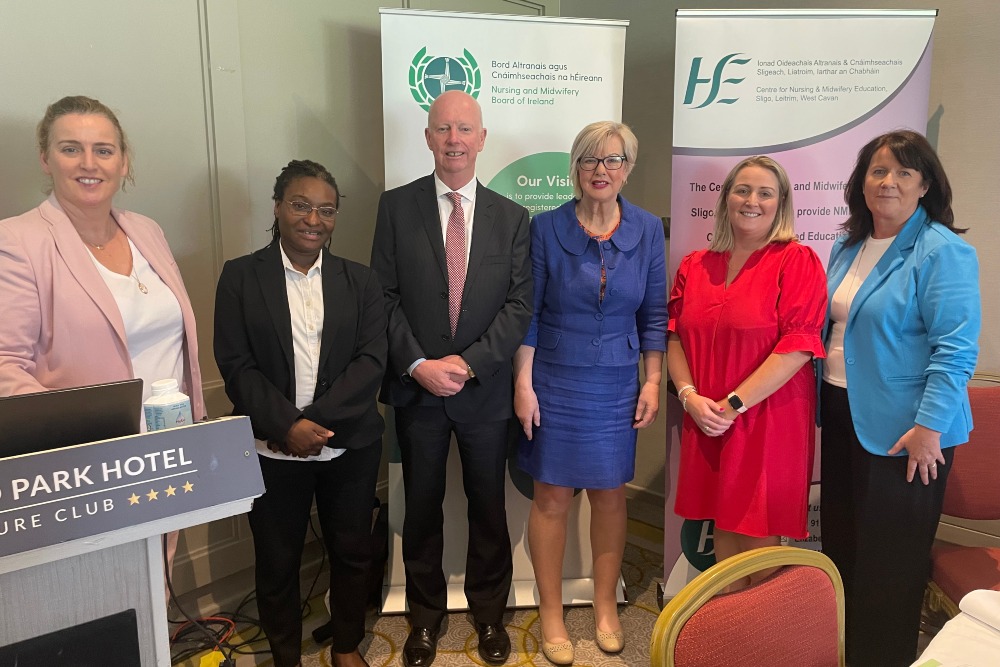
As you will read in this issue, we have continued our engagement with stakeholders. Earlier this month, Orla Crowe, our Director of Fitness and I were invited to speak at the All-Ireland Sláintecare: Nursing’s Challenge Festival. My colleagues Niamh McDonald and Jeanne Tarrant from the Fitness to Practise Department continued their outreach, speaking to nurses and midwives about the FTP process at the Centre for Nursing and Midwifery Education Sligo, Leitrim and West Cavan. We believe it is important that anyone involved in the FTP process is dealt with compassionately and through these sessions, participants can speak to us directly and ask questions relating to fitness to practise process.

We are asking registered practising nurses to apply to become a member of NMBI’s Fitness to Practise Committee. It is an important function that supports the work of the Board of NMBI and I would encourage anyone who is eligible to consider applying. More information can be found in the news story.

This month, our Director of Registration, Dr Ray Healy along with Ann Marie Murray, Education Assessor and Rachel O'Mara, Staff Officer and Registration Advisor, published new guidance to support Internationally Educated Nurses (IENs) who are completing an adaptation assessment programme in Ireland. The development of the guidance documents was the result of a series of focus groups and consultations with our stakeholders, and we would like to thank everyone who contributed. You can read more about the guidance in this issue of our eZine.

Dr Karn Cliffe and her team in our Education, Policy and Standards Department, Mary Devane, Professional Officer and Dee Mooney, Project Manager have undertaken engagement with you all in relation to the professional competence scheme. Thanks to those who have contributed to the online survey, with over 2,000 responses we were delighted with the feedback and they are now engaging online with stakeholders in the healthcare system to present a model to the Board by September,

Finally, I would like to thank all our nursing and midwifery colleagues for their continued dedication to patient care and we look forward to working with you for the second half of the year.


New Guidance for Internationally Educated Nurses Published


NMBI extends a warm welcome to all Internationally Educated Nurses and we acknowledge their contribution to the Irish healthcare system. 


NMBI extends a warm welcome to all Internationally Educated Nurses and we acknowledge their contribution to the Irish healthcare system. 

NMBI has published new guidance to support Internationally Educated Nurses (IENs) who are completing an adaptation assessment programme in Ireland, prior to registration with NMBI. 

The guidance documents were developed to provide clarity and transparency to IENs and clinical sites to meet the standards for registration with NMBI. 

The new documents include:

  • Internationally Educated Nurses (IENs) Undertaking an Adaptation and Assessment Programme, Guidance for Applicants and Health Service Providers.
  • The revised Competence Assessment Tool for Internationally Educated Nurses (IENs) who require a period of Adaptation and Assessment.

The new documents replace the Compensation Measures for Nurses Trained Outside of Ireland (2019).

Some of the key changes in the new documents include clarification on:

  • the hours required for candidate nurses
  • the assessment timelines
  • how the assessment process is aligned to the undergraduate process.

The guidance document for applicants and health service providers has been reformatted into sections on pre-adaptation, during adaptation and post-adaptation. 

As a regulator, NMBI must ensure that nurses and midwives who completed their education and training outside Ireland meet the EU Directive and NMBI’s Registration Standards and Requirements. To achieve this, we have created clear standards and requirements for all nurses who apply to practise in Ireland. 

The Irish healthcare system continues to benefit from the knowledge, experience and skills of IENs. The preparation and support of IENs adapting to working as members of a culturally diverse healthcare team is important to the success of international recruitment. 

NMBI aims to regularly review processes so that opportunities can be identified to make meaningful improvements. Following a review of national and international research, a series of countrywide focus groups were conducted with former candidate nurses who completed an adaptation and assessment programme, as well as preceptors and clinical support personnel who co-ordinate and facilitate these programmes. Consultations with unions and representative groups also formed an important part of the project.

The feedback received contributed to the development of these guidance documents and we would like to thank everyone involved including the project group: 

  • Finola O’Brien, National Co-ordinator for Overseas Induction Programmes (Residential care Services), Assistant Director of Nursing, Adaptation Lead, Tallaght University Hospital.
  • Carly Smith, Assistant Director of Nursing, Portiuncula University Hospital, Nurse Practice Development Co-Ordinator, Saolta University Health Care Group.

The new guidance is now available on our website


Feature: Nurses’ Voices from the Second World War - The Ireland Connection


This month, we are pleased to share some interesting research by the RCN Northern Ireland History of Nursing Network about Irish nurses during the Second World War.

We would like to thank Margaret Graham and members of the RCN Northern Ireland History of Nursing Network for providing us with the research. 


This month, we are pleased to share some interesting research by the RCN Northern Ireland History of Nursing Network about Irish nurses during the Second World War. We would like to thank Margaret Graham and members of the RCN Northern Ireland History of Nursing Network for providing us with the research.

The RCN Northern Ireland History of Nursing Network (HoN NI) is an active group of mostly retired nurses who aim to record local nursing history. Since its inception over 25 years ago, the network has been collecting oral histories from nurses willing to share their professional work experience. Collectively, these provide a rich archive of first-hand accounts of nurse training and professional development in Northern Ireland.

Against this background and the many demands on nurses brought about by the 30 years of conflict in Northern Ireland, the network was supported by the RCN in publishing Nurses’ Voices from the Northern Ireland Troubles (2013), a book of narratives written by nurses recalling their experiences of nursing through this traumatic period. This book inspired the BBC documentary, Nurses on the Front Line (2015).

When First World War (1914-1918) commemorations gathered momentum, HoN NI realised the importance of gathering the nursing history of nurses who had volunteered to serve with the armed forces in the Great War. With Heritage Lottery Funding secured, the network published a book, Nurses Voices’ from WW1, the Northern Ireland Connection, in 2018 highlighting the contribution of nurses connected with Northern Ireland who had served on the front line.

Second World War nurses

In 2020, commemorations began to mark the 75th anniversaries of Victory in Europe (VE) Day and Victory over Japan (VJ) Day, marking the end of the Second World War (SWW). The network began to identify nurses from Ireland who had contributed to that war and sought funding to publish a book commemorating their contribution to the war effort, both on the Home Front and overseas battlefronts.

As names and stories were gathered, it became evident that many nurses, mostly women, from across Ireland continued to apply to train in UK hospitals and, when qualified, applied to enlist with the Queen Alexandra’s Imperial Nursing Service Reserve (QAIMNSR) to support the war effort. The research therefore also includes those names gathered from the Republic of Ireland. It was well known that many from across Ireland welcomed the opportunity to train as nurses in Great Britain where hospitals often struggled to reach sufficient staffing levels. What was particularly surprising was the large number who had done so. Thanks to the meticulous research by HoN NI member Seán Graffin, 600 nurses to date have been identified, 400 from the Republic of Ireland.

The information gathered has been both sobering and inspiring as the research unveiled horrific deaths and acts of bravery of the nurses on the Home Front and many battle frontlines.

UK Blitz Attack
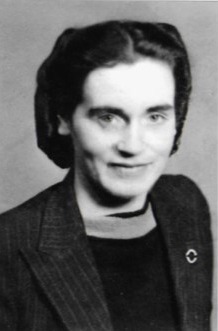
Mary DolanIt was sobering to realise that nurses were killed during UK Blitz attack. It must have been a frightening experience for nurses to hear bombs exploding for hours on end, many of which hit hospitals. Over 20 nurses from Ireland North and South were killed during attacks on Manchester, Salford and London. In a very private diary by Mary Morris (Weidenfield & Nicholson 2015) Mary, from Galway, vividly describes the dangers of a London Blitz attack. When qualified, Mary served with the QAs in France.

QA Reserves Abroad

QA Reserve nurses were deployed to every frontline, working in extremes of temperatures hot and cold, wet and dry, exposed to air raids, poisonous creepy crawlies such as scorpions and infectious disease. Malaria was a particular risk in India and Borneo.

Nurses slept in open trenches, under canvas and, if fortunate, in buildings. Water was frequently rationed, making washing a luxury. During peak battle surges on any front they got little sleep, as hundreds of casualties could arrive enmasse. Theatres were in constant use, amputations, fractures, burns and head injuries were common. Nurses had to work quickly and efficiently to triage the many casualties admitted.

“The bombing grew more intense…. there were two small theatres where abdominal, chest and head injuries were dealt with…no running water, basins filled with disinfectant were used….” (Noral Earls, QA North Africa).

War at Sea

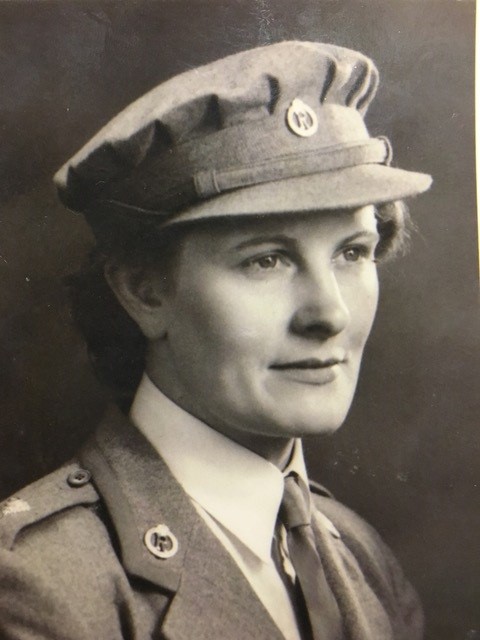
Military hospitals and medical team deployments by troopship to overseas front lines were not without danger as they were exposed to enemy attack. Over 20 nurses died at sea. In Feb 1944, the SS Khedive Ismail was attacked on its way to support the Burma campaign. Nine nurses from Ireland lost their lives, including sisters Margaret and Winifred Kells from County Cavan and Beatrice Dowling from Belfast.
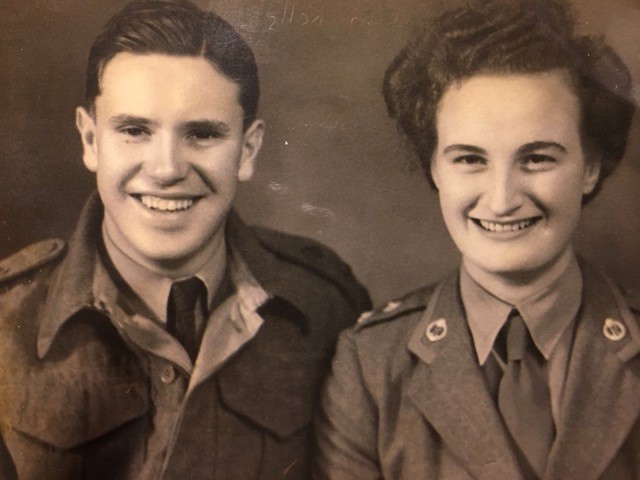
Sister Margaret Jane Kells

     Sister Winifred Evelyn Kells

Picured above (L to R): Sisters Margaret Kells and Winifred Kells with unknown male


The Far East
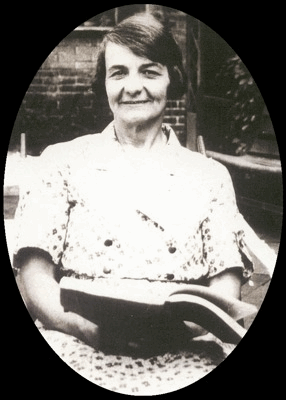
Sister Ruth Hannah Dickson

One of the most distressing episodes occurred during the fall of Singapore. Evacuation ships were attacked, killing many, including nurses. Survivors floated on rafts, with few surviving.

Edith Doreen Pedlow and Molly Cooper survived the attack on their ship, the Tajong Penang, leaving Singapore and drifted on a raft for three days.


Pictured above: Sister Ruth Hannah Dickson

The Belfast Telegraph reported:

“On that raft, Edith Doreen Pedlow breathed her last, still wearing her badge as a nurse of the Royal Victoria Hospital, Belfast. Her companion took the badge and pinned it next to her own, that of the Adelaide Hospital, Dublin. The survivors on the raft were captured by the Japanese and interned. In the camp she too died, tended by a third nurse who took the two badges and eventually brought them home to Ireland.” (Belfast Telegraph, Monday, 30 October 1950)

The Adelaide trained nurse was probably Molly Cooper from Carrickmacross, County Monaghan. Both she and Ruth Dickson from Eglish County Tyrone (who survived the attack on the evacuation ship Kuala) died from disease and malnutrition in a Japanese Prisoner of War camp.

D-Day landings

Irish nurses were among the first nurses to land following the D-Day landings and cared for the many casualties as war raged through Northern France until victory in Europe was secured.

However, celebrations were overshadowed as the horrors of the Holocaust unfolded with the discovery of concentration camps. Nurses now had to care for and manage these survivors suffering from malnutrition and disease. An army major remarked how the nurses never flinched. Many nurses were not deployed until after 1946 as there was a massive refugee and displaced population to assist and care for.

These cameos are a snapshot of some of the many fields of war where nurses were deployed. Their presence was recognised as morale boosting for injured troops and they routinely served in frontline casualty clearing stations.

Book launch

The SWW book collated by Margaret Graham was launched last November at an event in Belfast City Hall, which was attended by the Lord Mayor of Belfast, various dignitaries and families who had provided photographs of their serving relatives.

Names of the nurses uncovered by the network have been listed in the final chapter of the book and are presented as a Roll of Honour. A more complete database of information gathered to date by Seán Graffin, including place of birth, training school and service history, has been donated to the Public Records Office of Northern Ireland (PRONI). This list is by no means complete, as many nursing records remain closed for 100 years and may not be available.

Commenting on the project, Rita Devlin, Director of the RCN in Northern Ireland said: "I am delighted that the RCN Northern Ireland History of Nursing Network has undertaken this project and in doing so has gathered so much of our undocumented nursing history. To read that many nurses from across Ireland made such a significant contribution to the Second World War, which is a story largely undiscovered, is of great professional pride. It is harrowing to learn that many died in very tragic circumstances, at sea and as prisoners of war.

"Those who returned to assist with the establishment of the National Health Service brought back many of the skills gained from the battlefront. Like many veterans, these nurses did not speak of their war-time experiences and few left a written record, so their bravery has been largely unrecognised.”

"These nurses worked under extreme conditions such as weather, enemy attack, food shortage and patient influx during heavy battle. Their fortitude and selflessness should be acknowledged and applauded. It is hoped that this publication will in some way shine a light on this overlooked group of nurses who were dedicated to caring for their patients despite the risk to themselves."

The book is available from the RCN NI library, with a suggested donation of £5 to support the RCN Foundation.

Margaret Graham

Chair, RCN Northern Ireland History of Nursing Network



NMBI Speak at All-Ireland Nursing Festival
 
 
Sláintecare: Nursing's Challenge All-Ireland Nursing Festival

Our Interim CEO, and our Director of Fitness to Practise recently spoke at the Sláintecare: Nursing's Challenge All-Ireland Nursing Festival.


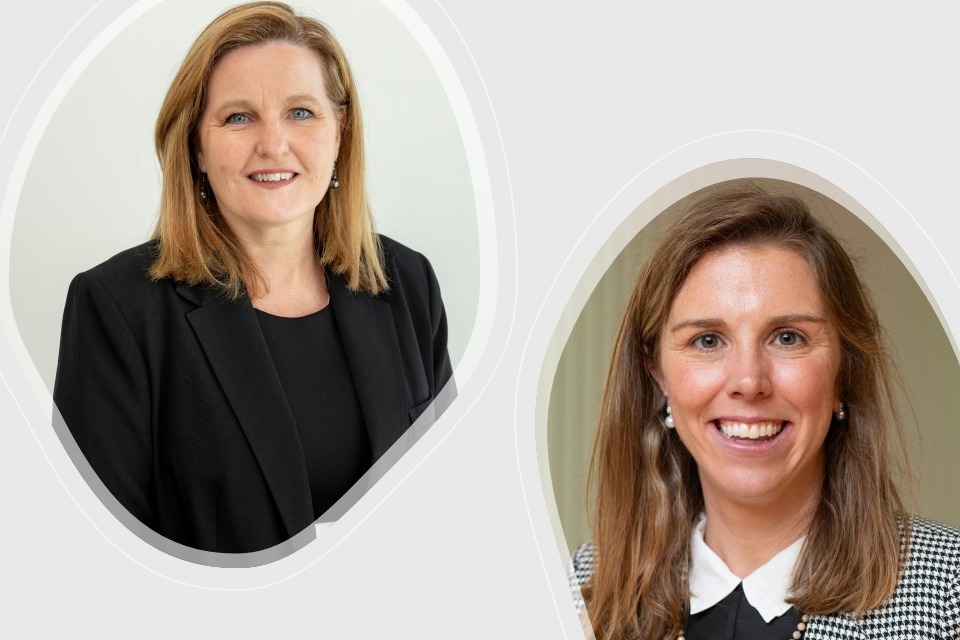
Earlier this month our Interim CEO, Carolyn Donohoe and our Director of Fitness to Practise, Orla Crowe spoke at the Sláintecare: Nursing's Challenge All-Ireland Nursing Festival.

This festival took place at the Helix in DCU, Dublin on 11 June with the aim of providing information to nurses and midwives to enable them to adapt and change to meet new needs, skills and specialisms.

In her presentation, Carolyn spoke about the role of NMBI and how professional competence, when used with the Code of Conduct and Ethics and Scope of Practice, can ensure that nurses and midwives deliver the best care for service users.  

Orla spoke about the fitness to practise process and provided an overview of the latest data in relation to fitness to practise complaints received by NMBI.

Carolyn and Orla's presentations are available online and can be watched back through the links below. 

As part of this session, Dr Mary Ryder also gave an insightful presentation on the curriculum review research (RUNME) which was commissioned by NMBI and the Chief Nurses Office. This research report will inform our work on the Expert Review Body on Nursing and Midwifery, and in developing new undergraduate standards and requirements. 


UCD Site Inspection Monitoring Update Report Published
 
 
UCD Site Inspection Monitoring Update Report

The site inspection monitoring update report for University College Dublin (UCD) has been published.


The site inspection monitoring update report for University College Dublin (UCD) has been published.

This report is an update of the UCD site inspection report approved by NMBI on 19 July 2023. The monitoring update report is based on information provided by UCD in collaboration with their practice partners.

As part of our role as a regulator, we assess and approve all undergraduate programmes leading to registration in nursing and midwifery. To ensure these education programmes are of a high standard, we conduct site inspections of university and college departments as well as their partner placement sites. The report provides an in-depth look at each education programme and include a summary of the commendations, conditions and recommendations for best practice in professional education.

We would like to thank both education bodies and their practice partners for their collaboration and engagement with the process.

The report is now available on our website.


NMBI Attends Executive Leadership Summit in Utah
 
 
Executive Leadership Summit

The National Council of State Boards of Nursing (NCSBN) invited the NMBI to attend their annual Executive Leadership Summit held just outside of Salt Lake City, USA this month.  


The National Council of State Boards of Nursing (NCSBN) invited the NMBI to attend their annual Executive Leadership Summit held just outside of Salt Lake City, USA this month.  

This three-day meeting was arranged to facilitate the collective voice of nursing regulators from each of the states in the USA, the provinces of Canada, and as an associate member also included Ireland.  

Carolyn Donohoe (Interim CEO) represented the NMBI alongside 55 American and Canadian nursing regulators where they discussed emerging themes in global regulation. The summit focused on fraud investigations in the nursing qualifications sector and influencing government policy in a positive way in the interest of the public and the professions. It was a long way to travel but worth the trip to gain a better understanding of global trends and looking at things from a fresh perspective. 


Notice on Certificates of Good Standing
 
 
Certificates of Good Standing

We are aware that some jurisdictions have paused the issuance of certificates of good standing.These certificates are an essential component of the registration process for nurses and midwives who qualified overseas.


We are aware that some jurisdictions have paused the issuance of certificates of good standing.

These certificates are an essential component of the registration process for nurses and midwives who qualified overseas and who wish to practise in Ireland. Applicants must provide a certificate of good standing in order to complete their application, without this their application will remain incomplete and cannot be progressed. Applications can eventually expire if the certificate of good standing is not submitted to NMBI.


Our FTP Outreach Continues with Information Session in Sligo
 
 
FTP Information Session in Sligo

Earlier this month, the CNME Sligo, Leitrim and West Cavan held an education session to discuss a range of topics including, human factors in healthcare, legal issues in nursing and midwifery and the FTP process.  


Earlier this month, the Centre for Nursing and Midwifery Education Sligo, Leitrim and West Cavan held an education session to discuss a range of topics including, human factors in healthcare, legal issues in nursing and midwifery, and the Fitness to Practise (FTP) process.  

As part of the session, Niamh McDonald and Jeanne Tarrant from our Fitness to Practise Department provided an overview of the FTP process with case studies.  

Niamh spoke about our commitment to provide a compassionate approach for everyone involved in the FTP process. She shared data on the numbers of complaints received by NMBI over the past five years and supports available. Jeanne referred to several case studies and our team were happy to answer questions from participants.

The event was organised by Teresa Donnelly, Director CNME SLWC and Michelle Donnelly Interim Director of Nursing and Midwifery Planning and Development Unit North West (NMPDU, NW)  

Attendees also heard from Maura Heffernan, Director of Nursing SUH; John McElhinney, Quality, Patient Safety and Risk Manager, SAOLTA and Mary Durkin, ADON SUH.

NMBI’s Compassion Project

Our FTP Department has been working hard to implement the Compassion Project and we have been speaking with our nursing and midwifery colleagues to explain the process.

Last year, NMBI launched an emotional support service for everyone involved in the fitness to practise process. The support service is provided in collaboration with CiC, a leading Employee Assistance Programme provider. This is a freephone service, available 24/7, that enables those involved to speak with a qualified counsellor about any aspect of the FTP procedure. Our aim is to ensure that people have a safe place to share any concerns they have about the process.

Details on how to access the support service, as well as details of other organisations and agencies in Ireland that can provide advocacy or support services, can be found on our website.  


Fitness to Practise Committee: Call for Expressions of Interest from Registered Nurses
 
 
Fitness to Practise Committee: Call for Expressions of Interest

We are inviting expressions of interest from registered practising nurses who are currently on the Nurse Division of our Register to participate in the work of the Fitness to Practise Committee (FTPC).


We are inviting expressions of interest from registered practising nurses to participate in the work of the Fitness to Practise Committee (FTPC).

Registered nurse applicants must hold current registration in the Nurse Division of the Register with NMBI and must be currently engaged in clinical practice.

The FTPC is a statutory committee of the Board of NMBI. This committee considers complaints which are referred to it by the Preliminary Proceedings Committee. See our website for more information on the work of the FTPC.

Information on how to apply to become a member of the FTPC is available here.

The closing date/time for applications is Wednesday, 3 July 2024 at 12 noon.